Research Environment

Biosolutions as a driver of dustainable and healthy food systems

In a world where resources are under increasing pressure, we research how biosolutions and nature’s own biological processes can be used to produce tasty, nutritious food in a resource-efficient way

How can we use biological processes to develop more sustainable and nutritious food? In our research environment, we explore how fermentation and biotechnology can improve resource use in food production and create new opportunities for future food systems. Our ambition is to develop practical solutions in close collaboration with companies and universities.

A focus on biosolutions for future food production

Future food production must deliver healthy, tasty food while using fewer resources. This calls for new solutions that make better use of raw materials, reduce waste and develop more sustainable production processes.

In the research environment Biosolutions as a driver of sustainable and healthy food systems, we develop and optimise biological processes that can contribute to this transition.

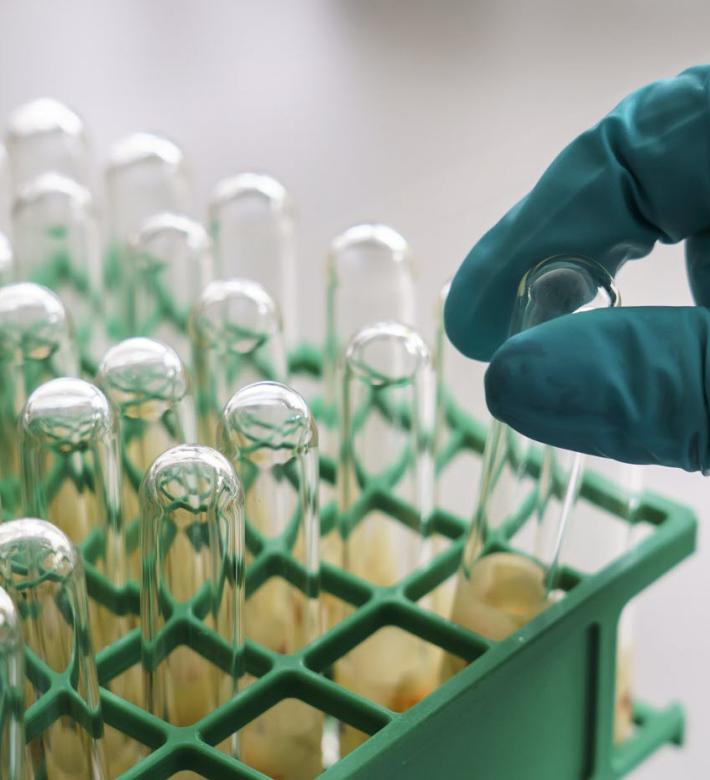
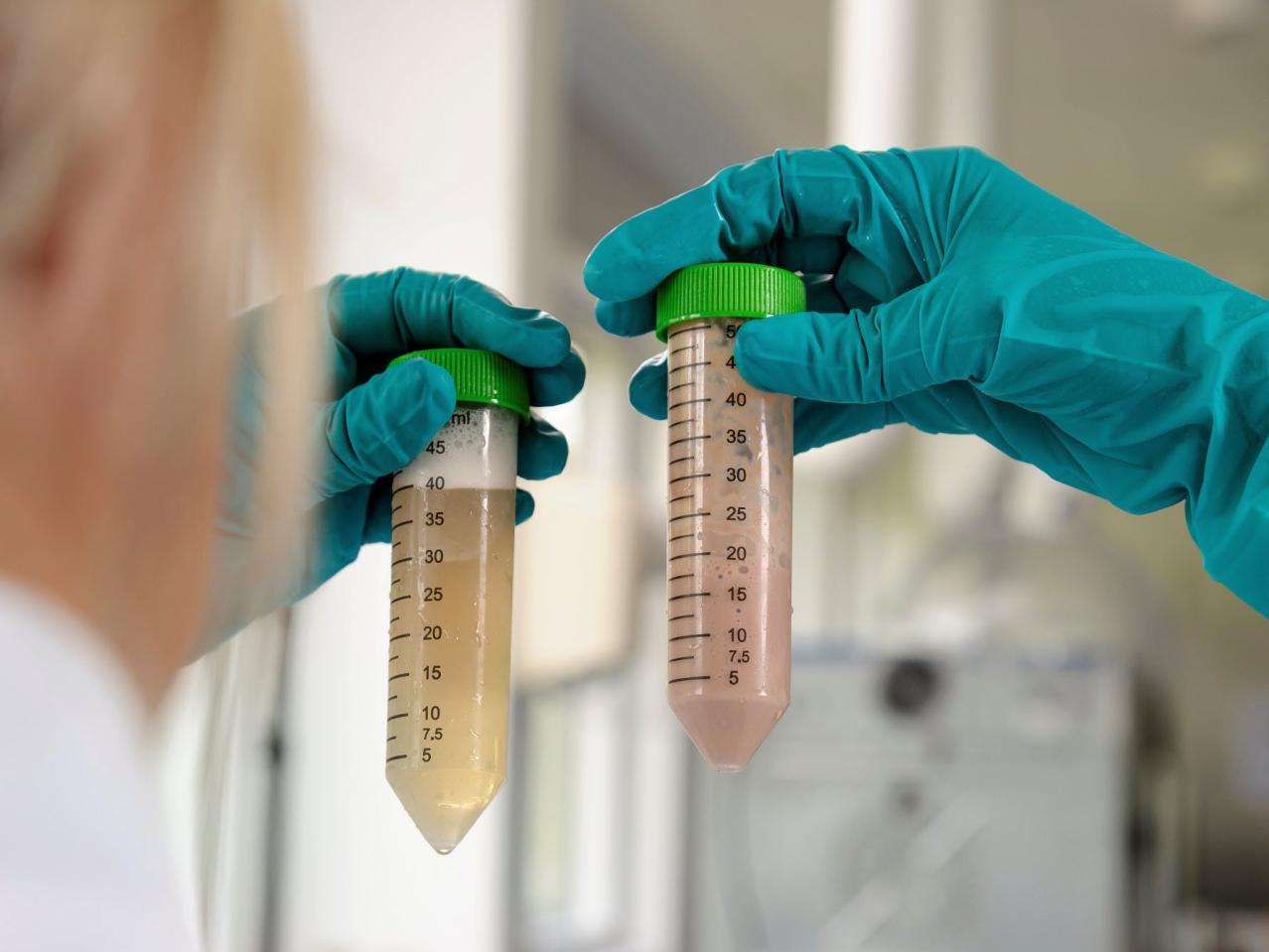
A key research area is fermentation, in which microorganisms are used to transform raw materials and improve their properties. We investigate how side streams from food production can be used to create new foods with greater nutritional value and improved functional properties.

Our research ranges from laboratory experiments to the development and optimisation of pilot-scale processes. The aim is to generate knowledge and solutions that can be applied in practice.

Our research areas

We work with fermentation and biotechnological processes, focusing on developing more resource-efficient and sustainable food systems.

Research in close collaboration with companies and universities

Our research addresses specific challenges in the food industry. We collaborate with companies working in areas including raw material production, ingredients, food processing and industrial production.

Together, we investigate how biotechnological methods can improve the use of raw materials, develop new products and optimise existing production processes.

The research environment is based at Campus Kalundborg, where Absalon is part of a professional community of companies, universities and other research organisations. This collaboration enables us to combine research-based knowledge with companies’ experience and needs.

Collaborate with us

We collaborate with companies and research institutions on applied research and development projects. Together, we can explore new opportunities, develop solutions and generate knowledge that can contribute to more sustainable food production.

Contact us to learn more about opportunities for collaboration.

Contact

Margit Annie Dall Aaslyng (mada)

Docent
Centre for Engineering and Science
Kalundborg